
CIAGRO-UMH · Research group
Agricultural Biodiversity and Plant Breeding (Botany)
Exploring agricultural biodiversity, from wild to cultivated: taxonomy, ethnobotany and conservation.
Project description
Exploring botanical biodiversity at CIAGRO
Discover the Botany division of the Agricultural Biodiversity and Plant Breeding Research Group
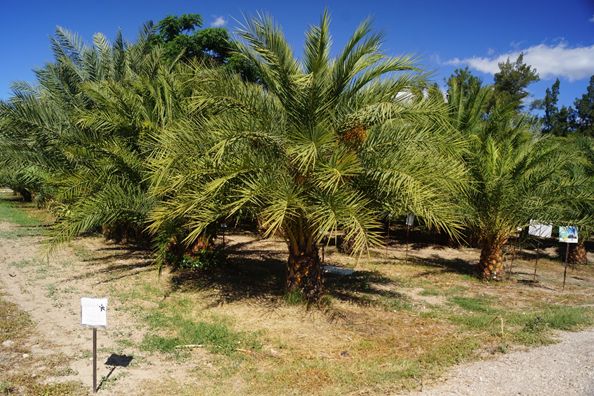
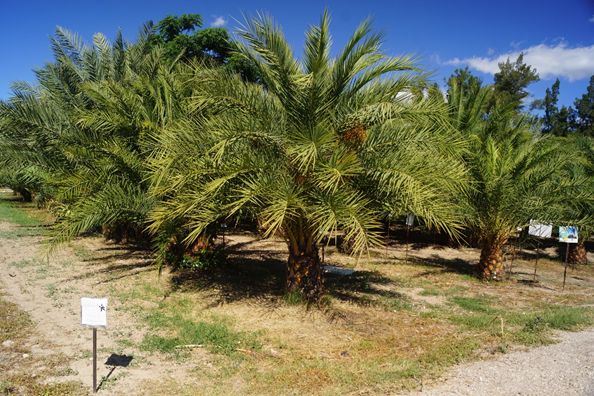
Specimens from the germplasm bank
-
- In-depth study of agricultural biodiversity, from wild to cultivated.
- Taxonomy, nomenclature and ethnobotanical studies of edible and medicinal plants.
- Largest germplasm bank of date palm and related species.
The Agricultural Biodiversity and Plant Breeding Research Group, in its Botany division, is a fundamental component of the Institute for Agri-Food and Agri-Environmental Research and Innovation (CIAGRO). In this article, Dr Concepción Obón de Castro, the only expert in the botanical field within CIAGRO, shares fascinating details about the group’s approach and significant contributions.
The main purpose of the research group is to study agricultural biodiversity, covering both wild and cultivated varieties. This includes a thorough analysis of plants, their genetic diversity and their interaction with the environment.
Within CIAGRO, the group plays a crucial role in the taxonomy and nomenclature of various plants, both wild and cultivated. They also carry out ethnobotanical studies on edible and medicinal plants, exploring their historical use and future potential.


Books published by the group’s principal investigator Concepción Obón
One of the group’s most notable achievements is the creation of the largest germplasm bank of the date palm and related species. This bank, located at the EPSO (Orihuela Higher Polytechnic School) facilities and at SOTO I6 on the Segura river, is the result of five research projects, 17 articles and nine book chapters. In addition, Dr Obón de Castro has worked on describing plant species new to science and has made important contributions to the study of taxa such as Sideritis and Capparis.
The group’s research has a potentially significant impact on the agri-food sector. It makes it possible to correctly identify key botanical species, suggesting the cultivation of new edible species and contributing to the quality control of medicinal plants.
In addition, the solutions and projects developed by the group have a positive impact both socially and environmentally. Outreach publications have been well received by the public, contributing to greater awareness of the importance of preserving and using our botanical biodiversity.
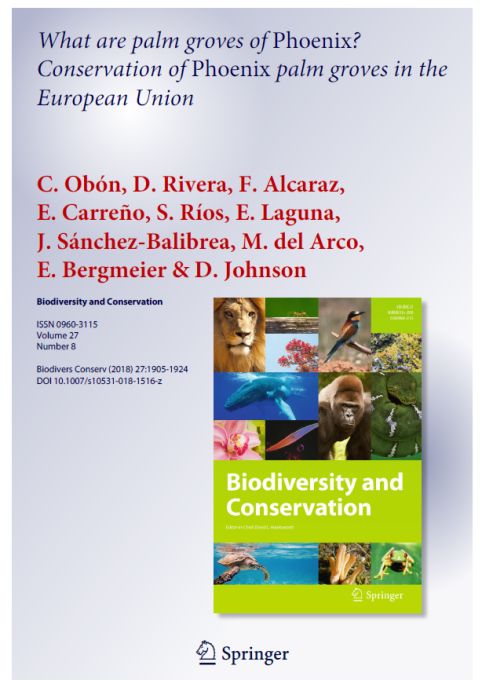
Article by the research group’s PI Concepción Obón in the journal Biodiversity
Looking to the future, the group envisions a more diversified agricultural sector, enriched with a wider variety of plants, which could strengthen the local agri-food sector.
Ultimately, the key message the group wishes to convey to the community and to visitors to the CIAGRO website is clear: encourage the consumption of local (km 0) biodiversity, promoting the cultivation and consumption of our traditional plants to enrich our diet and preserve our botanical heritage.
By exploring the website on the date palm, you can appreciate the richness and importance of botanical research in preserving and using our valuable plants: Phoenix-Spain.org.